
Supporting Seattle’s Chinatown International District
The neighborhood prepares for the World Cup and the community’s ongoing needs.
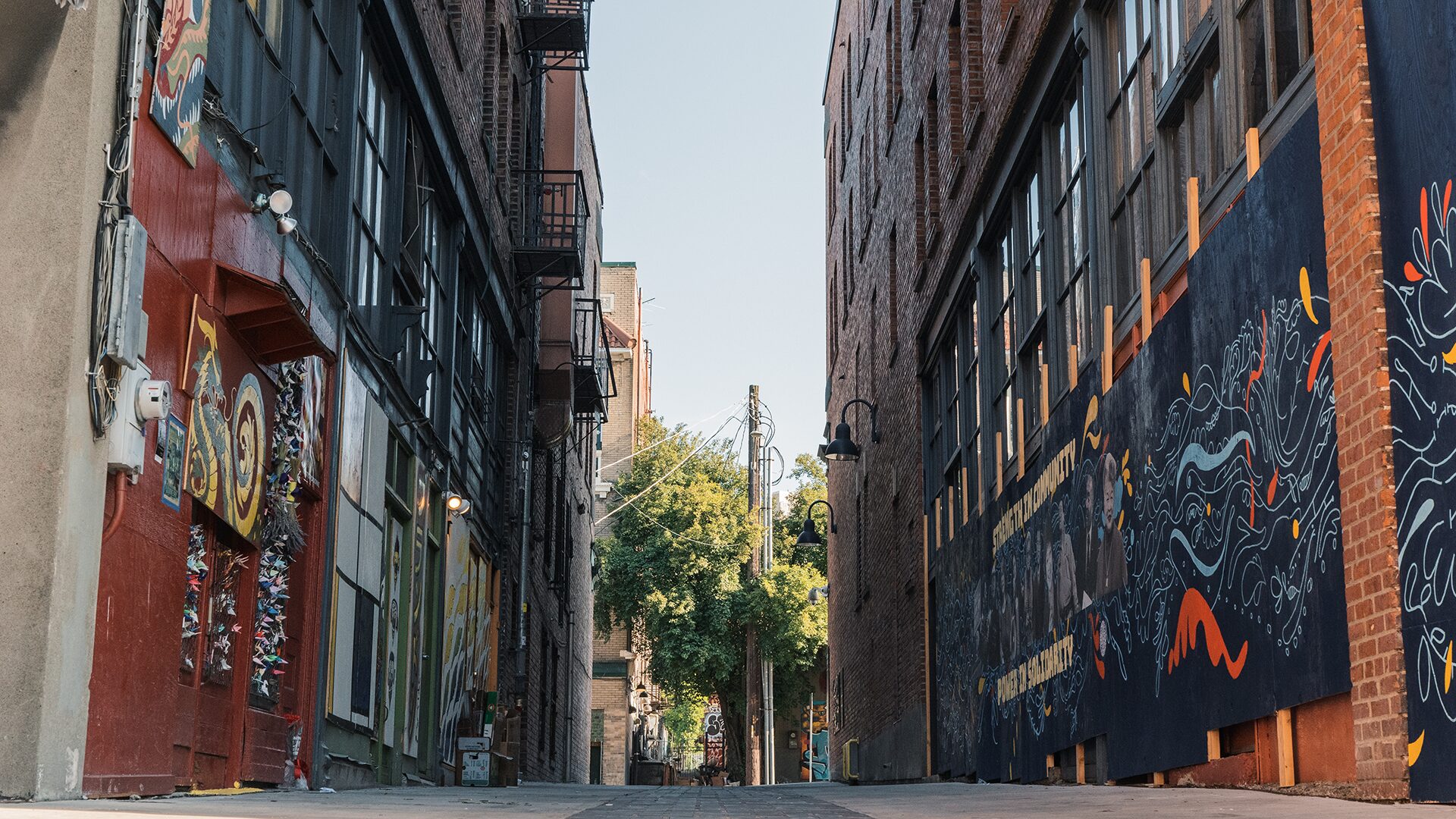
For more than a century, Seattle’s Chinatown International District (CID) has been a cultural and economic anchor for Indigenous, Asian American, Pacific Islander, and immigrant and refugee communities. The CID neighborhood, which sits on the traditional lands of the Duwamish and Coast Salish people who have lived in this region since time immemorial, is home to more than 400 small businesses, affordable housing and health care centers, cultural institutions, service providers, and mutual aid networks that serve families in the region.
These CID organizations have built something rare: a network of services designed by and for the communities they serve, delivered in over 90 languages, and rooted in cultural knowledge that spans generations. When an elder needs health care, they find providers who speak their language. When a family needs housing, they find apartments built for three generations. When business owners need support, they find teams who understand immigrant entrepreneurs.
At the same time, the CID has faced significant barriers tied to the growing cost of living and a lack of investment in the neighborhood. The CID ranks among Seattle’s neighborhoods with the highest displacement risk; 95% of residents rent, as do most of the neighborhood’s family-owned businesses. Median household income is around $37,000, compared to Seattle’s average of $121,000. The neighborhood has also dealt with increased safety challenges in recent years.
A neighborhood at a crossroads
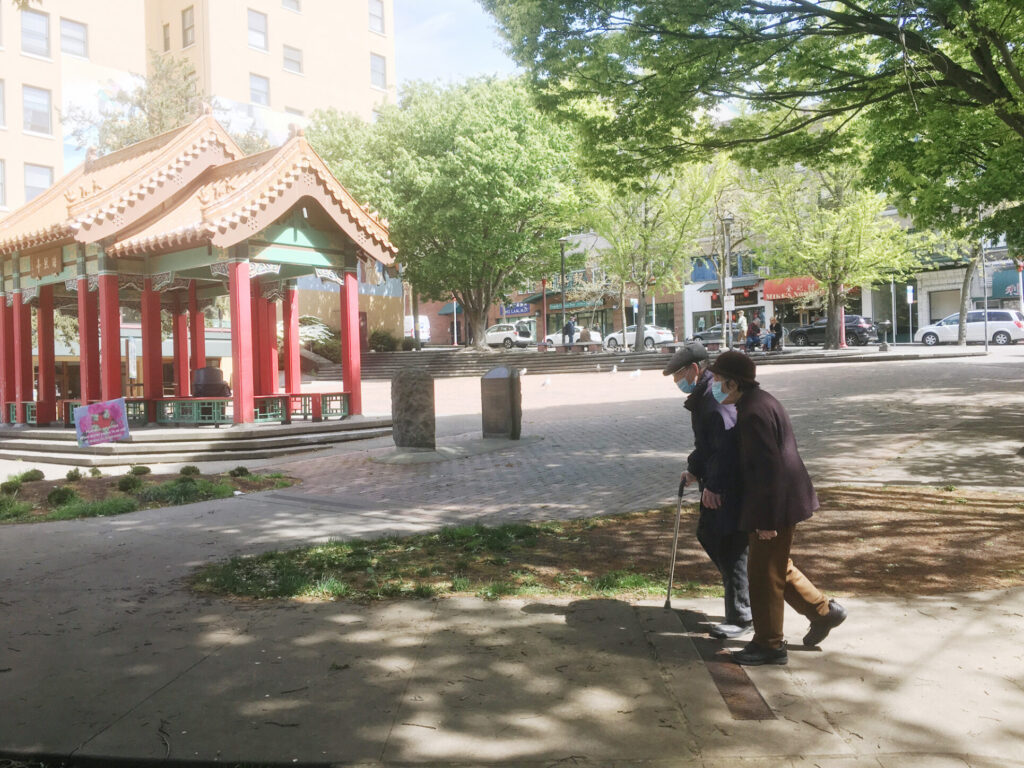
The CID sits blocks from Lumen Field, home to the Seattle Seahawks, Sounders, and Reign. This proximity has shaped the neighborhood’s history, and will shape its next chapter. This summer, Seattle will host six FIFA Men’s World Cup matches, bringing an estimated 750,000 visitors to the region.
CID organizations are preparing.
The CID Small Business Relief Team—a collaboration between Seattle Chinatown International District Preservation and Development Authority (SCIDpda), the CID Business Improvement Area (CIDBIA), and Friends of Little Saigon—is providing coordinated technical assistance to prepare businesses for the World Cup.
As Tuyen Than, executive director of the CIDBIA, told Northwest Asian Weekly, this moment is “a soccer tsunami. You can just let it happen or you can prepare.”
Partners will be organizing several watch parties and celebrations in the CID:
- June 15 – July 6, CID: The CID is hosting a series of events throughout the summer, including a free passport-style stamp book that guides visitors to over 70 participating CID businesses. Scout pre-match eats, find a place to watch a game, and explore the community events calendar.
- June 15, Hing Hay Park: Outdoor viewing party hosted by the Seattle Parks Department. Catch the Belgium vs. Egypt match at 12:00 p.m. PT.
- June 18, CID: The CID Business Improvement Area and Wing Luke Museum are joining forces this year, merging the beloved JamFest and CID Block Party into an expanded neighborhood celebration. Six hours of food, culture, and community for local Seattleites and soccer visitors alike.
- June 18, 8th & King: Come to the CID to be part of a Guinness World Record attempt for the most people eating dim sum simultaneously. Free and open to all. Come hungry!
- June 24, Hoa Mai Park: The CID Small Business Relief Team is hosting this event from 11 a.m. – 3 p.m. Join other soccer fans to watch the final Group C matches.
- July 10, Hing Hay Park: Head back to Hing Hay Park for a Quarterfinals Watch Party hosted by the CID Small Business Relief Team.
- July 19, Theater Off Jackson: Join community members for a World Cup Final Watch Party + “Bend it Like Beckham” Film Screening from 11:30 a.m. – 5 p.m. at Theatre Off Jackson, hosted by the Small Business Relief Team and Seattle Asian American Film Festival.
Some business owners are preparing conservatively, ready to scale up if foot traffic is higher than expected, or to control costs and focus on regular customers if it’s slower. The CID’s experience during the 2023 MLB All-Star Week is in the back of local business owners’ minds: despite restaurants increasing production and shops adding inventory, foot traffic didn’t translate to sales.
An Huynh, director of community development at SCIDpda, told Northwest Asian Weekly that she sees both the challenge and the potential. “The World Cup will be one of those moments that will highlight or exacerbate the needs of the community long-term. We can use this as an opportunity to have those conversations.”
Organizations building community strength
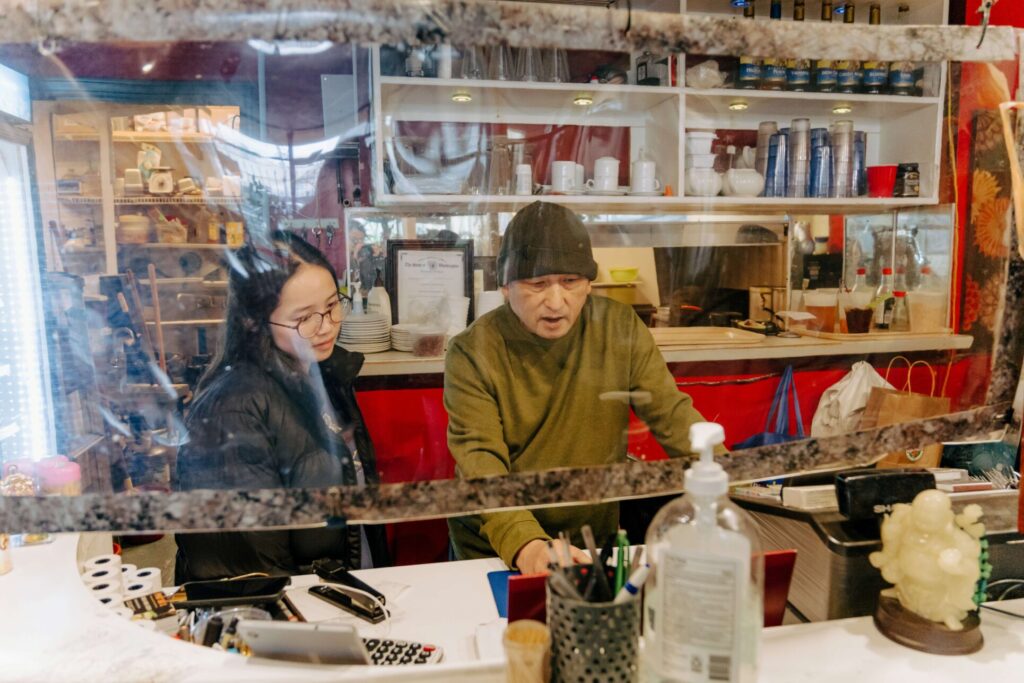
Sustained, flexible funding is needed to address the pressures facing the CID, from the World Cup opportunity to the displacement risks facing small businesses and community members in the neighborhood. Over the last two years, the Gates Foundation’s Community Engagement team has directed $5.8 million in multi-year, unrestricted grants to organizations working in the neighborhood. The goal is straightforward: resource the people who know what the community needs.
Get to know some of these organizations:
Chief Seattle Club is the only Native-led housing and human services agency that serves Seattle’s urban Native homeless community, which disproportionately makes up 15% of total and 32% of chronic homelessness across King County. With its community-led, culturally grounded emergency services, shelters, and permanent support housing, Chief Seattle Club addresses chronic homelessness at all stages to nurture, affirm, and strengthen the spirit of urban Native people.
Chinese Information and Service Center (CISC) supports immigrants and their families by creating opportunities for them to succeed while honoring their heritage. CISC provides bilingual and culturally appropriate information, referral, advocacy, social, and support services to immigrants who speak Cantonese, Mandarin, Russian, Vietnamese, Spanish, Ukrainian, and other languages.
CID Business Improvement Area (CIDBIA) works to improve and promote Seattle’s historic CID as a welcoming, clean, and safe neighborhood through sanitation coordination, public safety coordination, marketing and events, and advocacy.
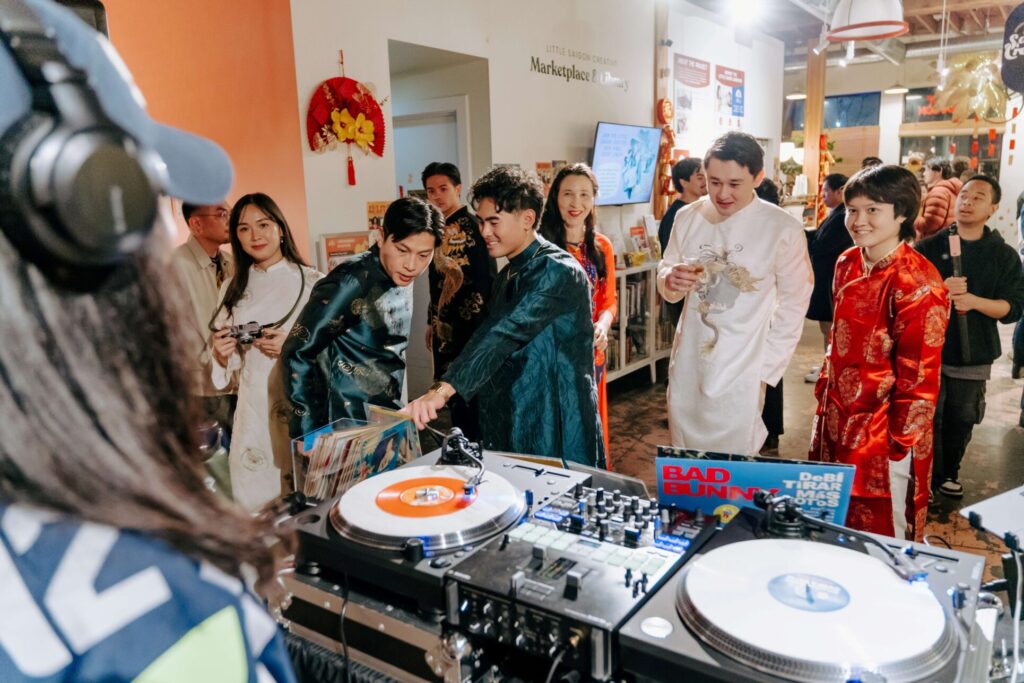
Friends of Little Saigon preserves and enhances Little Saigon’s cultural, economic, and historic vitality. The organization provides technical assistance and case management to Vietnamese and Chinese immigrant-owned small businesses. Friends of Little Saigon is also developing the Little Saigon Landmark Project, which includes a Vietnamese cultural and economic center and housing for more than 70 multi-generational families.
InterIm CDA promotes resiliency in Asian, Pacific Islander, immigrant, and refugee communities through culturally and linguistically responsive community building. The organization provides housing services in 15 languages to about 5,000 low-income, limited-English-speaking individuals and owns five properties. InterIm also manages the Danny Woo International District Community Garden, where 70 seniors grow food from their homelands.
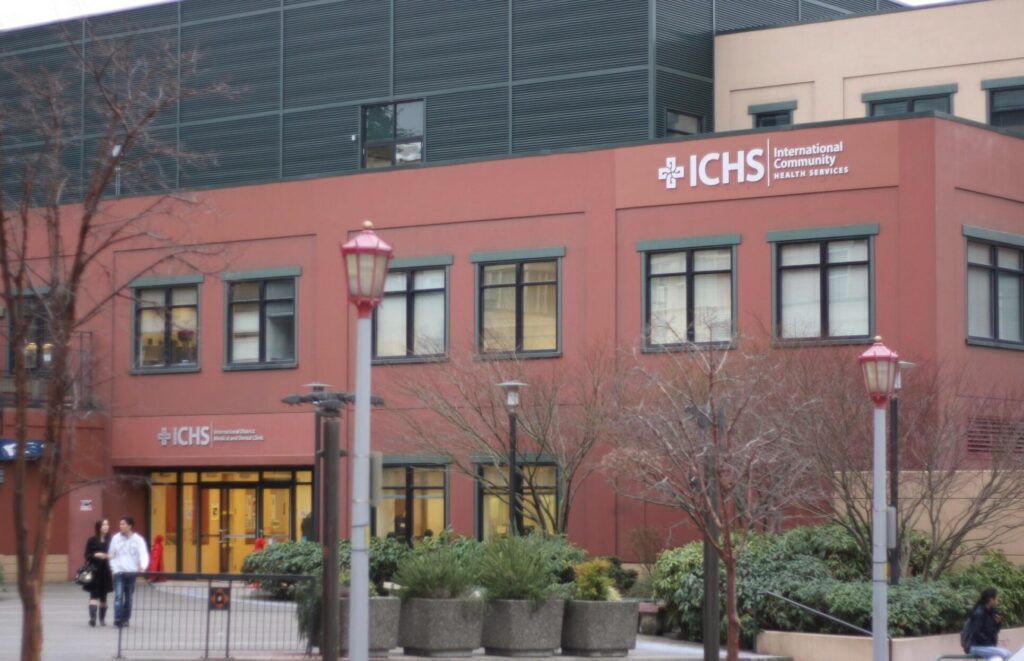
International Community Health Services (ICHS) serves over 36,000 people annually with culturally appropriate care offered in more than 90 languages and dialects. ICHS is the largest Asian, Native Hawaiian, and Pacific Islander federally qualified community health care center in Washington state.
Latino Community Fund of Washington works to identify, share, and advocate for what is working in the Latino community. They focus on cultivating new leaders, supporting cultural and community-based nonprofit organizations, and improving the health and quality of life for all Washingtonians.
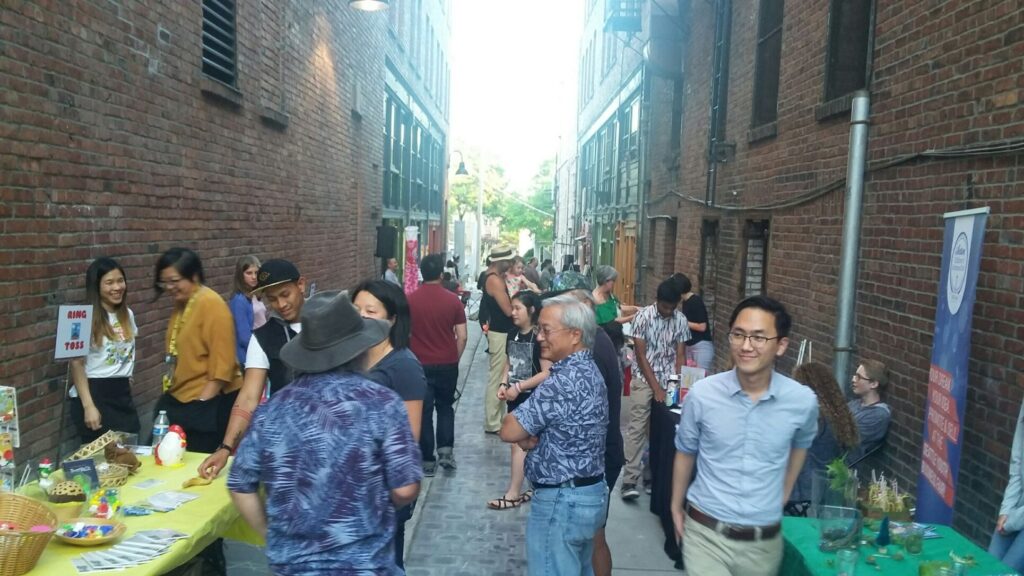
Seattle CID Preservation and Development Authority (SCIDpda) is a community development organization whose mission is to preserve, promote, and develop the CID as a vibrant community and unique ethnic neighborhood. Formed by the community in 1975, SCIDpda works to revitalize and preserve the neighborhood by providing services in three areas: affordable housing and commercial property management, real estate development, and community economic development and community engagement. SCIDpda has over a 50-year success record of increasing neighborhood sustainability through innovative programs and projects that balance development and preservation. The neighborhood-based community developer engages and mobilizes community members to develop collaborative solutions to meet neighborhood priorities—because a community’s strength comes from its members taking the initiative to shape its present and future. SCIDpda currently owns or manages 13 properties in the CID with over 500 units of housing and 250,000 square feet of commercial space. SCIDpda focuses on building housing that reflects the CID’s multi-generational family structures—apartments with three or four bedrooms that can house parents, children, and grandchildren under one roof. The organization also supports commercial spaces like restaurants, shops, a health clinic, a library branch, and a community center.
Seattle Indian Health Board’s mission is to advocate for and provide culturally appropriate, high-quality, and accessible health and human services to American Indians and Alaska Natives. SIHB serves the greater King County area with over 60% of clients identifying as American Indian and/or Alaska Native, while welcoming all into their clinic located in the CID.
Why this work matters
The CID has always been home to our region’s Indigenous communities and a landing place for Asian American, Pacific Islander, immigrant, and refugee communities for over a century. These grantee organizations create conditions where these communities can continue to thrive. When families have stable housing and culturally appropriate health care, small businesses survive, elders can stay in the community, and children grow up surrounded by networks of support and cultural knowledge that span generations. The Community Engagement team will continue looking for ways to support the organizations that preserve what makes the CID strong—and help them adapt to what comes next.