High-Quality Advising
Ensuring every student has access to trusted guidance that helps them design the future they want
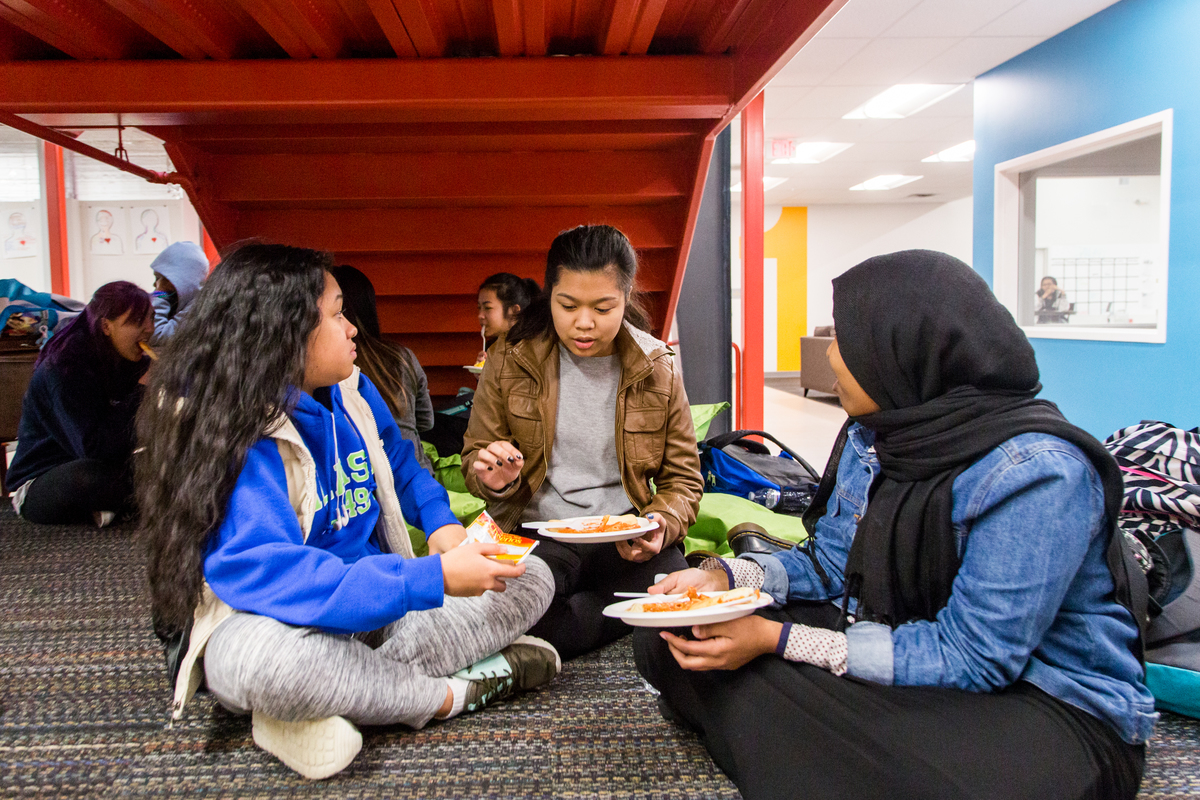
Nearly 90% of Washington’s high schoolers say they want to continue their education after high school, but only 50% enroll in a postsecondary program. One of the biggest factors in closing this gap? Access to high-quality college and career advising.
Students from low-income families have the greatest need for high-quality advising, but often have the least access to counselors and advisors. More than 43% of high school students say that expanding access to experts to help them navigate the college experience, finance their education, and explore career pathways would be “extremely helpful.”
Why advising matters
Advising that provides a student with consistent access to a trusted, well-trained adult leads to much higher rates of postsecondary enrollment. Among students whose parents had a high school diploma or less, 74% attended college within three years of high school graduation if they had met with a counselor about college in high school, compared to 49% of those who did not.
Our commitment
We’re working with partners to ensure Washington state has the policies, programs, and resources to connect every student with high-quality advising—particularly students who have been historically underserved.
What high-quality advising looks like
With our funding support, College Access: Research & Action (CARA) developed a framework that defines what high-quality postsecondary advising means for Washington students. High-quality advising happens when students receive:
- Experiences in grades 9–12 that allow them to explore a range of postsecondary options and related careers over time
- Opportunities to reflect on evolving academic and career identity, alongside caring adults who know them well and value their culture
- Well-informed academic guidance about key milestones needed to access different pathways
- Knowledgeable pathway advice that helps students match interests and talents to good-fit postsecondary options
- Proactive, concrete application and enrollment support, in partnership with families
- Practice building navigational skills to manage transitions into postsecondary education or training
The state of advising in Washington
In 2024, the Gates Foundation partnered with Kinetic West to conduct a comprehensive College and Career Advising Field Assessment. The research included insights from over 150 survey respondents across school districts, schools, and community-based organizations, and interviews with 20 leaders.
What we learned
Most schools have a vision, but implementation falls short. While most Washington schools and districts have a vision for college and career success, the consistent implementation of high-quality advising often doesn’t match that vision.
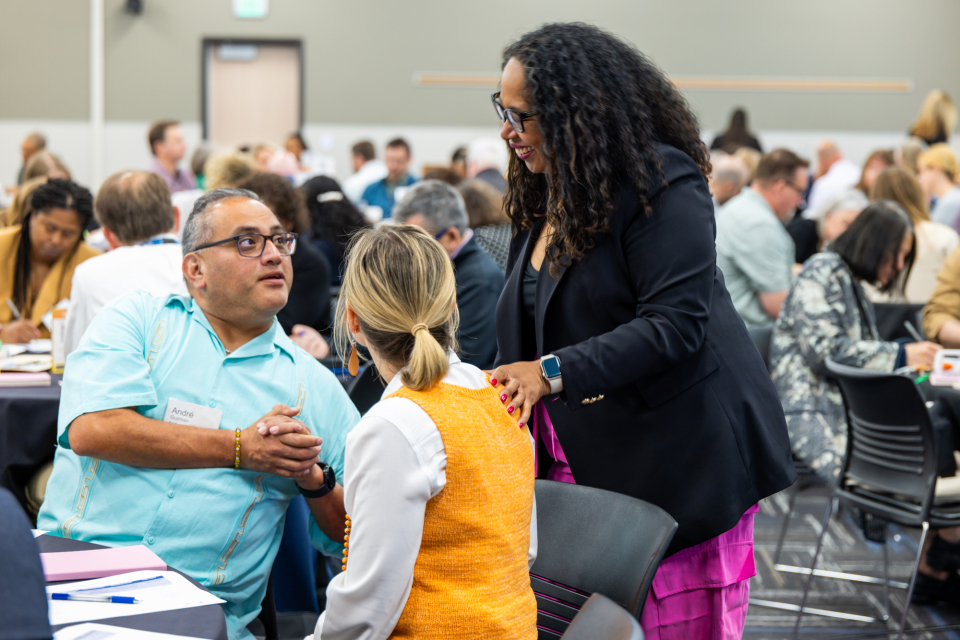
Resources are limited. Schools have limited time, money, and staff training to support consistent and effective advising. Only the largest districts reported having roles dedicated specifically to college and career advising. In most districts, high school counselors—who already juggle multiple responsibilities—serve as the advising leads.
Curriculum is inconsistent. Washington has a statewide advising curriculum, but it hasn’t been updated since 2016, and less than 40% of school-level respondents said they used it in the last year. Many schools don’t have a clear curriculum covering all essential topics for postsecondary planning.
Training is needed. More training was the most requested support by survey respondents. It’s rare for school staff beyond counselors to be trained on the basics of college advising, leaving overburdened counselors to carry the weight alone.
Data access is challenging. Schools are working to improve advising, but they often lack timely and actionable data. Information is siloed, and many districts struggle to get clear statistics on what happens to students after graduation.
High School and Beyond Plans need strengthening. High School and Beyond Plans—a longstanding graduation requirement that could address inequities—have too often become a “check the box” exercise rather than a meaningful planning tool.
What we’re doing
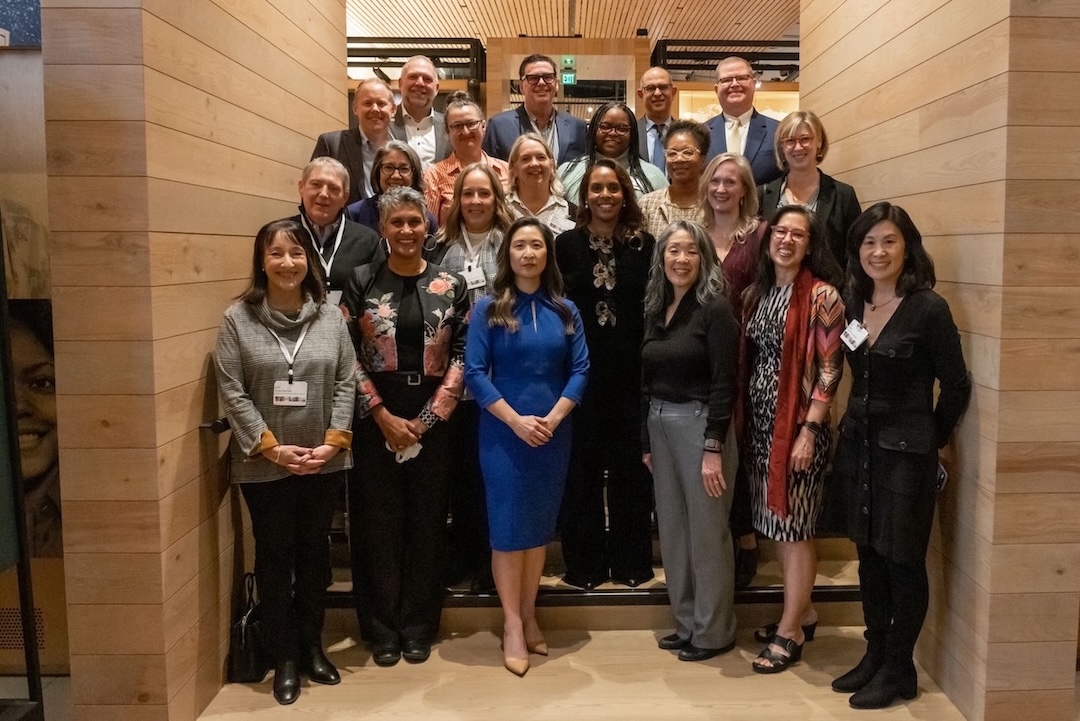
We’re working with partners across Washington state to strengthen advising systems and ensure more students have access to high-quality guidance:
Regional partnerships: Through our Horizons Regional Grant Program and Limitless Learning Network, we’re supporting local partnerships that are expanding advising capacity—including embedding college and career readiness advisors in schools, providing one-on-one support to students, and implementing culturally responsive advising practices.
Sharing research and best practices: We’re providing evidence-based research—including the Kinetic West assessment and CARA framework—to state education leaders and local partnerships to inform their advising strategies.
Latest Blogs and Updates
-

September 2026: Educators put AI to the test
How Washington educators, districts, and partners are testing AI, expanding dual credit access, and using better data and outreach to support students on clearer paths after high school.
-

What’s next for our Washington state work
As the Gates Foundation reshapes its U.S. education strategy through 2045, longtime Washington State Initiative director Angela Jones reflects on the transition ahead—and bids farewell in her final newsletter update.
-

May 2026: What’s working for Washington students
Spotlighting grantee work on rural FAFSA completion, dual credit, postsecondary data, AI in classrooms, and investment in Seattle’s Chinatown-International District.
-

Supporting Seattle’s Chinatown International District
How the CID neighborhood is preparing for the World Cup while community organizations work to protect small businesses, preserve cultural identity, and strengthen support for families facing displacement.
-
April 2026: Fund your future
From a student’s tears of joy on the phone with his mom to 500 kids at a Mariners game who completed the FAFSA to get there—this newsletter tracks what’s working to get Washington students into and through college.
-
National Volunteer Month: Western Washington organizations looking for volunteers
Check out this list to see which opportunities spark your interest!
-

Washington voters want more postsecondary access
Gates Foundation newsletter highlights partners working to expand college access and strengthen financial aid.
-
How small, caring schools drove a FAFSA surge in Washington
Summit Public Schools shares how weekly mentoring, staff training, and equity-centered outreach helped two Washington campuses lead the state in FAFSA completion.
-

An update on our Washington state education work
The Gates Foundation is integrating its Washington State education strategy across the U.S. Program by 2030, focusing on high school to postsecondary transitions.
-

Celebrating 25 years of local community partnerships
The Gates Foundation celebrated its 25th anniversary by awarding one-time grants to 25 local nonprofit organizations in the Seattle region, honoring Bill Gates Sr.’s legacy of community engagement and partnership.

Explore More Education Initiatives
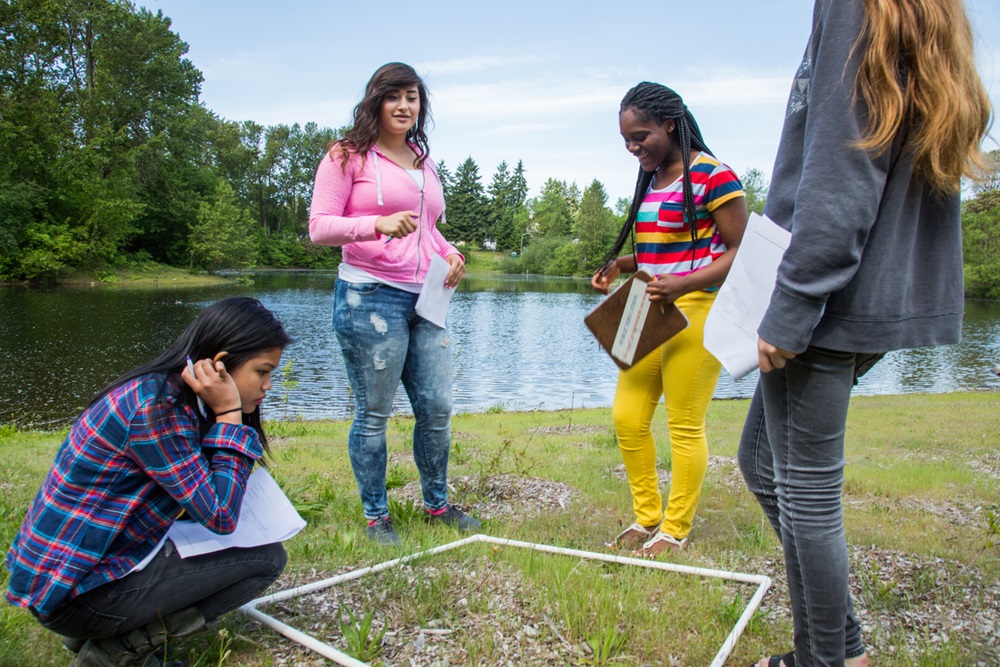
Horizons regional grants
Limitless learning network
Dual credit